There’s something truly magical about the aroma of Nigerian beef stew simmering on the stove. As someone who has spent countless hours perfecting this recipe, I can tell you that this dish represents the very heart of West African cuisine. The rich, complex flavors and vibrant red color make it not just a meal, but an experience that brings families together around the dinner table.
Nigerian beef stew, known locally as “beef stew” or sometimes “tomato stew,” is more than just a recipe—it’s a cornerstone of Nigerian cooking that has been passed down through generations. What makes this dish so special is its perfect balance of tender beef, aromatic spices, and the distinctive sweetness that comes from properly prepared tomatoes and peppers.
In my journey of exploring Nigerian cuisine, I’ve discovered that this stew serves as both a standalone dish and a versatile base for countless other meals. Whether you’re serving it over rice, yam, or plantains, the depth of flavor in this stew never fails to impress. Today, I’m sharing my refined version of this beloved recipe, complete with all the tips and techniques I’ve learned along the way.
Understanding Nigerian Beef Stew: Key Components and Definitions
Before diving into the cooking process, let me break down the essential elements that make this stew authentically Nigerian:
Base Ingredients : The foundation consists of fresh tomatoes, red bell peppers (tatashe), scotch bonnet peppers, and onions. These create the characteristic red color and complex flavor profile.
Protein Selection : Beef is traditionally used, with cuts like chuck roast, beef short ribs, or round steak being preferred for their ability to become tender during slow cooking.
Spice Blend : A combination of curry powder, thyme, bay leaves, and sometimes nutmeg creates the distinctive Nigerian flavor profile that sets this stew apart from other tomato-based dishes.
Cooking Oil : Palm oil is traditional and adds authentic flavor, though vegetable oil can be substituted. The oil plays a crucial role in developing the stew’s rich color and taste.
Seasoning Cubes : Maggi or Knorr cubes are standard in Nigerian cooking, providing umami depth that enhances the overall flavor complexity.
The beauty of Nigerian beef stew lies in its versatility and the way each ingredient contributes to creating a harmonious blend of flavors that is both comforting and exciting to the palate.
Essential Ingredients and Shopping Guide
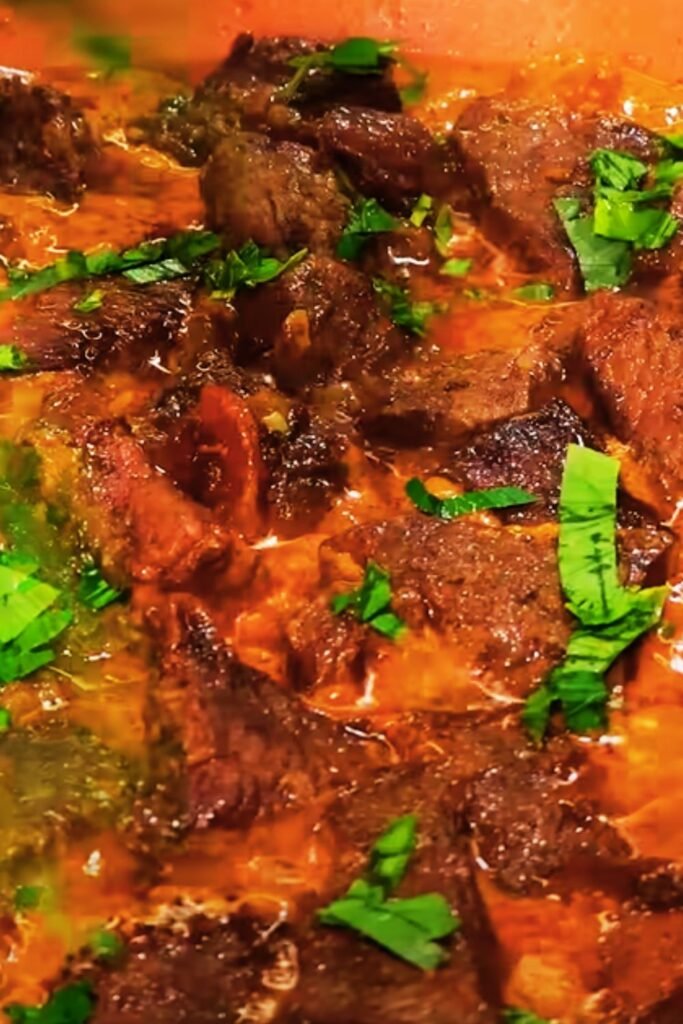
Creating an authentic Nigerian beef stew requires specific ingredients, and I’ve learned that quality makes all the difference. Here’s my comprehensive shopping list with detailed explanations:
Primary Ingredients Table
| Ingredient | Quantity | Purpose | Substitution Options |
|---|---|---|---|
| Beef (chuck roast or short ribs) | 2-3 lbs | Main protein, provides richness | Goat meat, chicken (adjust cooking time) |
| Fresh tomatoes | 8-10 large | Base for stew, natural sweetness | Canned whole tomatoes (28 oz can) |
| Red bell peppers (tatashe) | 4-5 large | Color, mild pepper flavor | Red bell peppers + paprika |
| Scotch bonnet peppers | 2-3 peppers | Heat and authentic flavor | Habanero peppers, cayenne powder |
| Large onions | 3 medium | Aromatics, depth of flavor | Shallots (use more quantity) |
| Garlic cloves | 6-8 cloves | Aromatic base | Garlic powder (1 tsp per clove) |
| Fresh ginger | 2-inch piece | Warmth and complexity | Ground ginger (1 tsp) |
| Palm oil | 1/2 cup | Traditional flavor and color | Vegetable oil + paprika for color |
| Seasoning cubes | 4-5 cubes | Umami depth | Bouillon powder, salt |
| Curry powder | 2 tablespoons | Signature Nigerian flavor | Individual spices mixed |
| Dried thyme | 1 tablespoon | Herbal notes | Fresh thyme (3 tablespoons) |
| Bay leaves | 3 leaves | Aromatic depth | Oregano (less quantity) |
Spice and Seasoning Breakdown
The spice blend is what transforms simple ingredients into the complex, layered flavors that define Nigerian beef stew. I always recommend using whole spices when possible, as they provide more vibrant flavors than pre-ground alternatives.
Essential Spices:
- Curry powder: Forms the backbone of the flavor profile
- Thyme: Adds herbal brightness that complements the rich tomato base
- Bay leaves: Provide subtle aromatic depth during the slow cooking process
- White pepper: Offers heat without overpowering the other flavors
- Nutmeg (optional): A pinch adds warmth and complexity
Fresh Aromatics:
- Ginger: Essential for authentic Nigerian flavor, provides warmth
- Garlic: Creates the aromatic foundation of the stew
- Onions: Multiple varieties can be used for different flavor notes
Step-by-Step Cooking Instructions

Creating the perfect Nigerian beef stew is an art that requires patience and attention to detail. Through years of practice, I’ve refined this process to ensure consistent, delicious results every time.
Phase 1: Preparing the Beef Foundation
Cleaning and Cutting the Beef:
- Rinse the beef under cold water and pat completely dry with paper towels
- Cut into 2-inch cubes, ensuring uniform size for even cooking
- Season generously with salt, allowing it to sit for 15 minutes at room temperature
Initial Seasoning and Browning:
- In a large heavy-bottomed pot, heat 2 tablespoons of oil over medium-high heat
- Brown the beef cubes in batches, avoiding overcrowding the pot
- Each piece should develop a deep brown crust, approximately 3-4 minutes per side
- Remove browned beef and set aside, preserving any fond in the pot
Phase 2: Creating the Pepper Base
Preparing the Pepper Mixture:
- Roughly chop tomatoes, red bell peppers, scotch bonnet peppers, and half the onions
- Blend in a food processor until smooth but not completely liquefied
- The mixture should retain some texture for optimal cooking results
Cooking the Pepper Base:
- In the same pot used for browning beef, add the remaining oil
- Heat until shimmering, then add the blended pepper mixture
- Cook on medium heat, stirring frequently to prevent sticking
- Continue cooking for 25-30 minutes until the mixture reduces by half
- The color should deepen to a rich red, and the raw pepper smell should dissipate
Phase 3: Building Flavor Layers
Adding Aromatics:
- Create a paste with minced garlic, ginger, and remaining diced onions
- Add this mixture to the reduced pepper base
- Cook for 5 minutes until fragrant and the onions become translucent
Spice Integration:
- Add curry powder, thyme, and crushed bay leaves to the pot
- Stir constantly for 2 minutes to bloom the spices
- The spices should become fragrant but not burn
Phase 4: Combining and Slow Cooking
Bringing It Together:
- Return the browned beef to the pot along with any accumulated juices
- Add seasoning cubes, crushing them between your fingers
- Pour in enough water or beef stock to barely cover the ingredients
- Bring to a boil, then reduce heat to maintain a gentle simmer
The Slow Cooking Process:
- Cover the pot and cook for 1.5 to 2 hours, stirring occasionally
- Check liquid levels and add hot water as needed to prevent burning
- The beef should become fork-tender, and the sauce should thicken naturally
- Taste and adjust seasoning with salt, pepper, or additional seasoning cubes
Advanced Cooking Techniques and Tips
Achieving the Perfect Consistency
The texture of Nigerian beef stew should be rich and slightly thick, coating the back of a spoon without being heavy. I’ve found that the key lies in the initial pepper reduction phase. If your stew seems too thin after the full cooking time, you can:
- Remove the lid and increase heat slightly to encourage evaporation
- Mix a tablespoon of tomato paste with a small amount of the stew liquid, then stir it back in
- Continue cooking uncovered for an additional 15-20 minutes
Color Development Secrets
The vibrant red color that characterizes authentic Nigerian beef stew comes from proper pepper preparation and cooking technique. Here are my tried-and-true methods:
Palm Oil Technique: When using palm oil, heat it gently until it becomes clear (not smoking), then add your pepper mixture. This creates the authentic reddish-orange hue that’s impossible to achieve with regular cooking oil alone.
Pepper Roasting Method: For deeper color and smokier flavor, roast the peppers over an open flame or under the broiler until the skins are charred, then blend. This adds complexity and intensifies the red color naturally.
Meat Tenderness Optimization
Achieving perfectly tender beef requires understanding both the cut of meat and cooking methods:
Cut Selection Strategy:
- Chuck roast: High collagen content, becomes incredibly tender with slow cooking
- Short ribs: Rich flavor and natural marbling, excellent for stews
- Round steak: Leaner option, requires longer cooking time and careful moisture management
Tenderizing Techniques:
- Marinate the beef in a mixture of ginger, garlic, and seasoning cubes for 2-4 hours before cooking
- Add a small amount of pineapple juice to the marinade for natural enzymes that break down proteins
- Cook at a consistent low temperature to avoid toughening the meat fibers
Nutritional Profile and Health Benefits
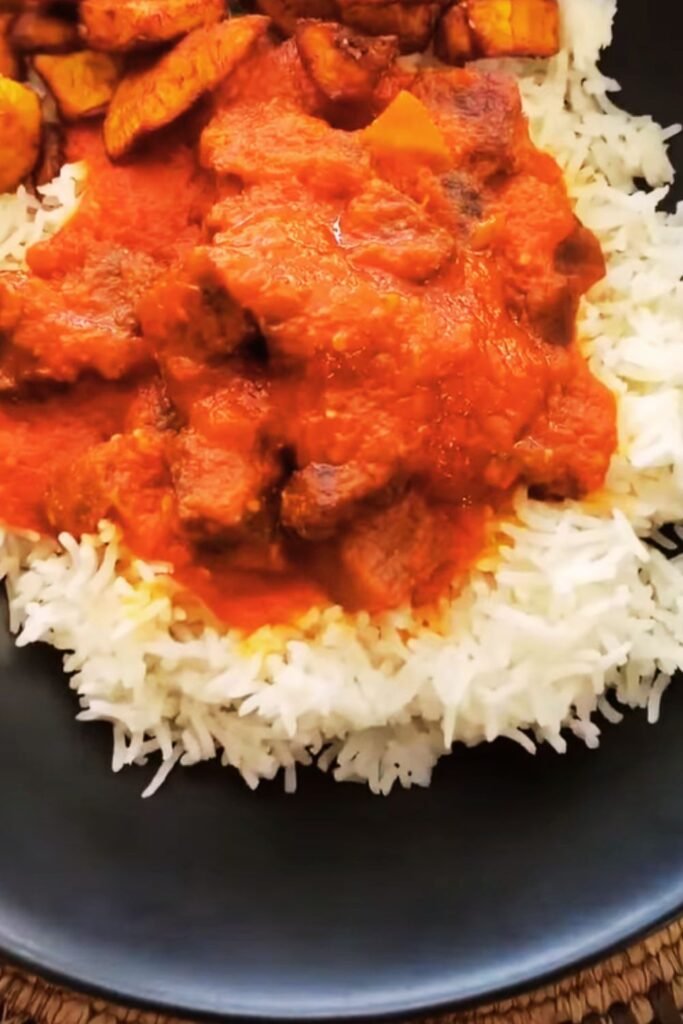
Understanding the nutritional value of Nigerian beef stew helps appreciate not just its taste but also its contribution to a balanced diet. This hearty dish provides substantial nutritional benefits when prepared with quality ingredients.
Comprehensive Nutritional Analysis
| Nutrient | Per Serving (1 cup) | Daily Value % | Health Benefits |
|---|---|---|---|
| Calories | 320-380 | 16-19% | Provides sustained energy |
| Protein | 28-32g | 56-64% | Muscle maintenance and growth |
| Total Fat | 18-22g | 23-28% | Essential fatty acids, vitamin absorption |
| Saturated Fat | 6-8g | 30-40% | Moderation recommended |
| Carbohydrates | 12-15g | 4-5% | Quick energy source |
| Dietary Fiber | 3-4g | 12-16% | Digestive health support |
| Iron | 4-5mg | 22-28% | Blood health, oxygen transport |
| Vitamin C | 45-60mg | 50-67% | Immune system support |
| Vitamin A | 800-1000 IU | 16-20% | Eye health, immune function |
| Potassium | 680-720mg | 14-15% | Heart health, blood pressure regulation |
| Zinc | 3-4mg | 20-27% | Immune function, wound healing |
Key Health Benefits
Protein Powerhouse: The high-quality protein from beef provides all essential amino acids necessary for muscle maintenance, immune function, and cellular repair. This makes the stew particularly beneficial for active individuals and growing children.
Antioxidant Rich: The combination of tomatoes, peppers, and onions delivers powerful antioxidants including lycopene, vitamin C, and flavonoids. These compounds help protect against cellular damage and support overall health.
Iron Content: Beef is an excellent source of heme iron, which is more easily absorbed by the body than plant-based iron sources. This makes the stew particularly valuable for individuals at risk of iron deficiency.
Vitamin and Mineral Dense: The variety of vegetables and spices contributes significant amounts of vitamins A, C, and K, along with essential minerals like potassium and zinc.
Serving Suggestions and Pairing Ideas
Nigerian beef stew’s versatility makes it suitable for various serving styles and occasions. Over the years, I’ve discovered numerous ways to present this dish that enhance both its flavor and visual appeal.
Traditional Accompaniments
Rice Varieties:
- Jollof Rice: The classic pairing that creates a complete Nigerian meal experience
- White Rice: Simple steamed rice allows the stew’s flavors to shine
- Coconut Rice: Adds tropical sweetness that complements the stew’s richness
- Fried Rice: Nigerian-style fried rice with mixed vegetables creates a colorful, complete meal
Root Vegetables and Starches:
- Pounded Yam: Traditional pairing that’s perfect for scooping up the rich sauce
- Fried Plantains: Sweet plantains provide beautiful contrast to the stew’s savory profile
- Boiled Yam: Simple preparation that doesn’t compete with the stew’s complexity
- Eba (Garri): Cassava-based staple that’s traditional and filling
Modern Serving Ideas
International Fusion:
- Over pasta for a Nigerian-Italian fusion experience
- With quinoa for a protein-packed, gluten-free option
- Alongside crusty bread for dipping and soaking up the rich sauce
- Over polenta for a creamy, corn-based alternative
Presentation Suggestions: I love serving this stew in shallow bowls with the accompaniment on the side, allowing diners to customize their portions. Garnishing with fresh herbs like cilantro or chopped green onions adds color and freshness.
Beverage Pairings
Non-Alcoholic Options:
- Fresh ginger beer complements the stew’s spice profile
- Hibiscus tea (zobo) provides floral notes that balance the richness
- Fresh fruit juices like pineapple or mango add tropical brightness
- Sparkling water with lime for a palate-cleansing option
Storage, Reheating, and Meal Prep Guidelines
One of the beautiful aspects of Nigerian beef stew is how well it stores and reheats, often tasting even better the next day as the flavors continue to meld and develop.
Optimal Storage Methods
Refrigeration Guidelines:
- Cool the stew completely before refrigerating (within 2 hours of cooking)
- Store in airtight containers for up to 4-5 days
- Divide into single-serving portions for convenient reheating
- Leave some headspace in containers as the stew may expand slightly
Freezing Instructions:
- Nigerian beef stew freezes excellently for up to 3 months
- Use freezer-safe containers or heavy-duty freezer bags
- Label with contents and date for easy identification
- Freeze in meal-sized portions for convenient thawing
Reheating Techniques
Stovetop Method (Recommended):
- Thaw frozen stew overnight in the refrigerator
- Heat in a saucepan over medium-low heat, stirring occasionally
- Add a splash of water or broth if the stew has thickened too much
- Heat until steaming hot throughout (165°F internal temperature)
Microwave Method:
- Place portion in microwave-safe dish
- Cover with microwave-safe lid or vented plastic wrap
- Heat in 1-minute intervals, stirring between each interval
- Continue until heated through, adding liquid if needed
Meal Prep Strategies
Weekly Prep Approach: I often prepare a large batch on Sunday, dividing it into individual containers with different accompaniments. This creates varied meals throughout the week while maximizing cooking efficiency.
Ingredient Prep: The pepper mixture can be prepared and frozen in ice cube trays, creating convenient flavor bombs for quick stew preparation. Each cube represents about one serving’s worth of pepper base.
Troubleshooting Common Issues
Through my years of making Nigerian beef stew, I’ve encountered and solved virtually every problem that can arise. Here are the most common issues and their solutions:
Flavor Problems and Solutions
Issue: Stew tastes too acidic Solution: Add a pinch of sugar or a small amount of honey to balance the acidity from the tomatoes. You can also add a small amount of baking soda (1/4 teaspoon), which neutralizes acid.
Issue: Lack of depth in flavor Solution: This usually indicates insufficient browning of the beef or inadequate reduction of the pepper mixture. Next time, spend more time on these crucial steps.
Issue: Too salty Solution: Add diced potatoes and cook until tender, then remove them. They’ll absorb excess salt. Alternatively, add a small amount of sugar and acid (lemon juice) to balance the saltiness.
Texture and Consistency Issues
Issue: Stew is too watery Solution: Remove the lid and simmer on medium heat to encourage evaporation. You can also mix tomato paste with a small amount of the stew liquid and stir it back in.
Issue: Meat is tough Solution: Continue cooking on low heat with additional liquid. Tough meat usually indicates insufficient cooking time or too high heat during the simmering phase.
Issue: Stew is too thick Solution: Gradually add hot water or beef stock while stirring. Add liquid slowly to avoid making it too thin.
Questions and Answers
Q: Can I make Nigerian beef stew without palm oil, and will it still be authentic?
While palm oil contributes to the authentic flavor and color of Nigerian beef stew, you can substitute it with vegetable oil and add a teaspoon of paprika for color. The taste will be slightly different, but still delicious. Many Nigerian families living abroad make this substitution regularly.
Q: How can I reduce the heat level while maintaining the authentic flavor?
Remove the seeds from the scotch bonnet peppers before blending, or reduce the quantity to just one pepper. You can also substitute with milder peppers like jalapeños, though this will change the flavor profile slightly. The key is to maintain some heat while making it manageable for your taste preferences.
Q: Why does my stew sometimes turn out darker or lighter than expected?
The color depends heavily on the type of tomatoes used and how long you cook the pepper mixture. Overripe tomatoes create darker stews, while underripe ones result in lighter colors. The palm oil quality and cooking temperature also affect the final color. For consistent results, use the same tomato variety and cook the pepper base until it reaches a deep red color.
Q: Can I prepare Nigerian beef stew in a slow cooker or Instant Pot?
Absolutely! For slow cooker preparation, brown the beef first in a pan, then combine all ingredients in the slow cooker and cook on low for 6-8 hours. For Instant Pot, use the sauté function to brown beef and reduce pepper mixture, then pressure cook for 45 minutes with natural release. Both methods produce excellent results with less active cooking time.
Q: What’s the best way to adjust seasoning if I don’t have Nigerian seasoning cubes?
You can substitute with bouillon cubes or powder, adding extra salt, garlic powder, and onion powder to compensate. A combination of chicken or beef bouillon with a pinch of MSG (if you use it) creates a similar umami depth. Start with less and taste frequently, as different brands have varying salt levels.
Q: How do I know when the beef is tender enough?
The beef should easily fall apart when pierced with a fork, and you should be able to cut it with the side of a spoon without resistance. If you can still feel tough fibers when chewing, continue cooking with additional liquid. Properly cooked beef in Nigerian stew should be melt-in-your-mouth tender.
Q: Can I add vegetables to make it a more complete meal?
Traditional Nigerian beef stew focuses on the meat and sauce, but you can certainly add vegetables during the last 30 minutes of cooking. Carrots, potatoes, and green beans work well and won’t overpower the authentic flavors. Add them in order of cooking time required, with root vegetables first and green vegetables last.
Q: Is it normal for the oil to separate from the stew during cooking?
Yes, this is completely normal and actually indicates proper cooking technique. The oil separation shows that the pepper mixture has been adequately reduced and the flavors have concentrated. Simply stir the stew before serving to reincorporate the oil, which carries much of the flavor.
Q: How can I make this recipe healthier without sacrificing flavor?
Trim visible fat from the beef before cooking, and remove any excess oil that accumulates on the surface during cooking. You can also increase the proportion of vegetables in the pepper mixture and reduce the amount of oil used. Using leaner cuts of beef and adding more onions and peppers maintains flavor while reducing calories.
Q: What should I do if my stew burns on the bottom of the pot?
If you notice burning, immediately remove the pot from heat and transfer the unburned portion to a clean pot without scraping the bottom. Do not stir the burned bits into the stew. Add a small amount of fresh liquid and continue cooking in the new pot. The burned flavor is usually contained to the bottom layer and won’t affect the entire dish if handled quickly.
Nigerian beef stew represents more than just a recipe—it’s a celebration of West African culinary traditions that brings comfort and joy to countless tables around the world. The rich, complex flavors developed through careful preparation and patient cooking create a dish that’s truly greater than the sum of its parts.
My journey with this recipe has taught me that cooking is as much about technique as it is about love and patience. Each time I prepare this stew, I’m reminded of the importance of taking time to properly develop flavors, from browning the meat to slowly reducing the pepper mixture until it reaches that perfect consistency and color.
The beauty of Nigerian beef stew lies not only in its incredible taste but also in its versatility and ability to bring people together. Whether you’re serving it at a family gathering, preparing it for meal prep, or introducing friends to West African cuisine, this dish never fails to impress and satisfy.
I encourage you to embrace the process, be patient with the cooking times, and don’t be afraid to adjust the recipe to suit your family’s preferences. Like any traditional dish, Nigerian beef stew becomes better with practice, and each cook brings their own special touch to this beloved recipe.
Remember, the best dishes are made with quality ingredients, proper technique, and most importantly, love. Take your time, enjoy the cooking process, and savor the incredible aromas that will fill your kitchen. Your effort will be rewarded with a dish that’s not just delicious, but truly memorable.
